

How Much Solid Food Should a 6-Month-Old Eat? A Portion Guide for Australian Mums


If you have just started offering your baby solids, one question comes up at almost every mealtime: how much should they actually be eating? It is one of the most common worries we hear from Australian mums, and the reassuring answer is that at six months, "not very much" is exactly right. Those first weeks of solids are about learning and exploring, not filling a tummy. Here is a gentle, practical guide to portion sizes so you can relax and enjoy this messy, wonderful milestone.
The short answer: start small
When you first introduce solids at around six months, begin with just 1 to 2 teaspoons of food once a day. That really is all. Your baby has a tiny stomach, roughly the size of their own fist, and they are still mastering the brand-new skill of moving food from the front of their mouth to the back and swallowing it. Some days they will take a few enthusiastic spoonfuls; other days they will turn their head away after one taste. Both are completely normal.
Over the following weeks, you can slowly build up to 2 to 3 tablespoons per meal and work towards two, then three small meals a day by around eight to nine months. There is no rush. Let your baby set the pace. If you would like a week-by-week roadmap of what this looks like, our baby meal plan for 6 months walks you through it day by day.

A simple week-by-week portion guide
Every baby is different, so treat these as gentle starting points rather than targets to hit. The amounts below are a guide, not a goal.
The first week or two
Offer 1 to 2 teaspoons of a smooth, single-ingredient puree or a soft, squashable piece of food once a day. Iron-rich first foods are a great place to begin, since your baby's iron stores start to run low around this age. Our guide to iron-rich first foods for babies explains why this matters and what to offer.
Weeks three to four
If your baby is enjoying mealtimes, build up to 1 to 2 tablespoons, once or twice a day. You can begin introducing a wider range of flavours and a slightly thicker texture. Keep offering new foods even if they are refused at first, as babies often need to see a food ten or more times before they accept it.
By seven to nine months
Most babies move towards 2 to 3 tablespoons per meal across two to three meals a day, plus the occasional snack. Textures should be progressing too, from smooth purees to lumpier mashes and soft finger foods. Our stage-by-stage guide to baby food textures by age shows you how to move things along safely.

Milk is still the main meal
This is the part that surprises many parents: until around 12 months, breastmilk or formula remains your baby's main source of nutrition. Solids in the early months are an addition, not a replacement. According to the NHMRC Infant Feeding Guidelines, solid foods should be introduced at around six months alongside continued breastfeeding (or formula), with milk still providing the bulk of energy and nutrients well into the second half of the first year.
In practice, that means you should keep offering milk feeds as usual and let solids slot in around them. A good rhythm in the early days is to offer solids after a milk feed, when your baby is content but not ravenous, so they have the patience to explore something new. The wonderful team at Raising Children Network has more on getting this balance right.
Related reading: for a full breakdown of how much breast milk or formula your baby needs at each age once solids begin, see our companion guide on how much milk a baby should have when starting solids.
How to tell your baby has had enough
Babies are remarkably good at regulating their own appetite when we let them. Rather than counting spoonfuls, watch your baby for fullness cues. Stop offering food when you notice your little one:
- Turning their head away from the spoon
- Closing their mouth or pushing food back out
- Becoming distracted, fussy, or arching their back
- Pushing the spoon or bowl away
- Slowing right down and losing interest
It can feel counterintuitive to end a meal when there is still food left in the bowl, but honouring these cues helps your baby build a healthy, trusting relationship with food. Never coax "just one more bite" once they have signalled they are done.
Signs your baby might want a little more
On the flip side, a baby who is leaning in, opening their mouth for the spoon, watching your food intently, or getting excited at the sight of the highchair is telling you they are keen for more. Follow their lead and offer a little extra. Appetites swing from day to day, and a growth spurt can mean your baby suddenly wants more than usual for a week or so. That is all part of the picture.
Making the right amount without the waste
One of the trickiest parts of tiny portions is that cooking a whole pumpkin to produce two teaspoons of puree feels wildly inefficient. This is where a little kit makes life easier. Batch-cooking and freezing in small portions means you can defrost exactly what you need, with nothing wasted.
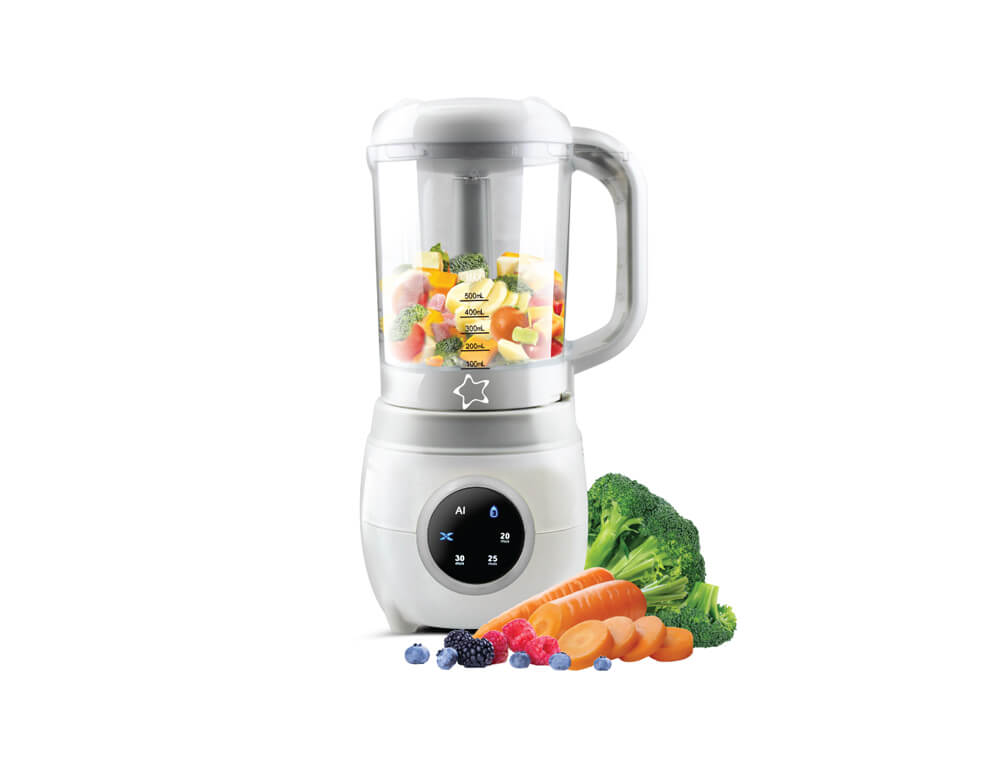
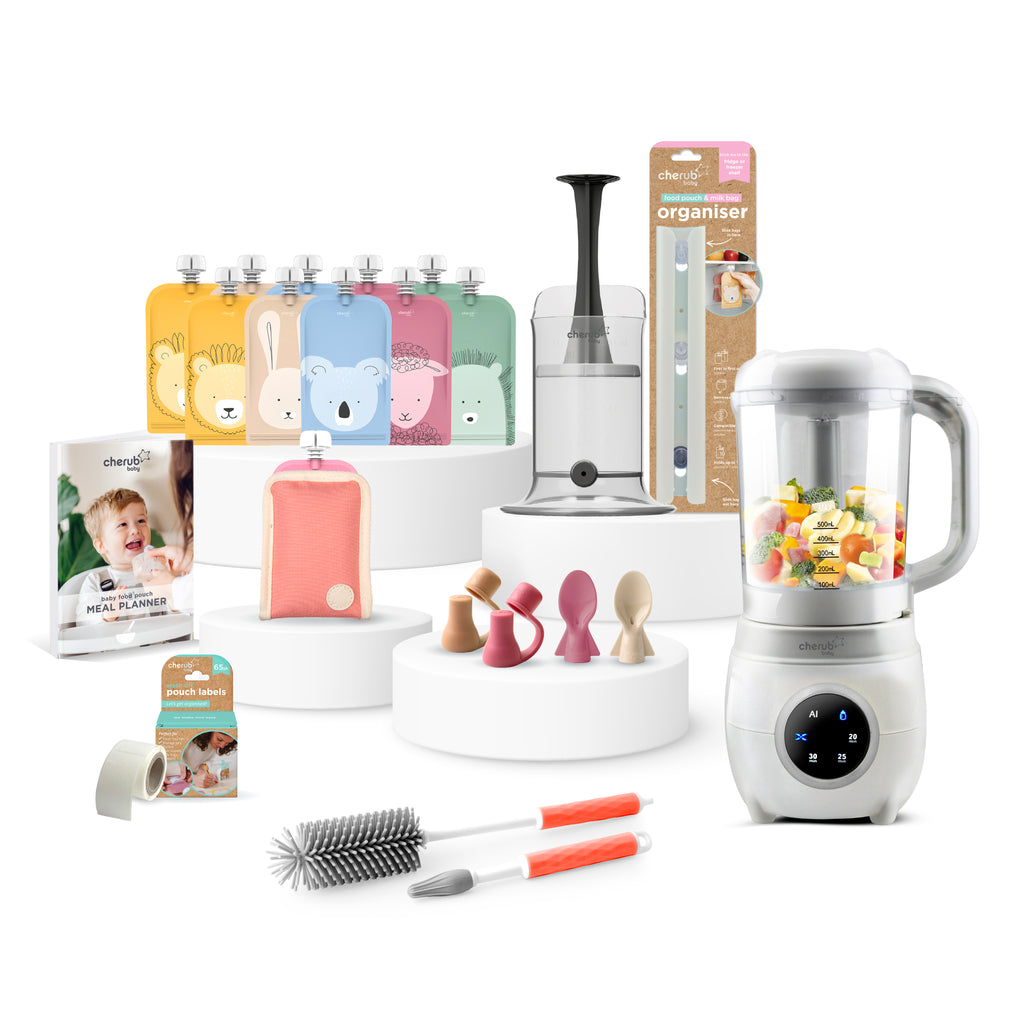
Make tiny portions easy. Our Automatic Baby Food Maker steams and blends fruit and veg into smooth, perfectly textured purees in minutes, so you can prepare a batch and store it in single-serve amounts. Pair it with our reusable food pouches to portion, freeze, and serve on the go without the landfill. Shop the Baby Food Maker →
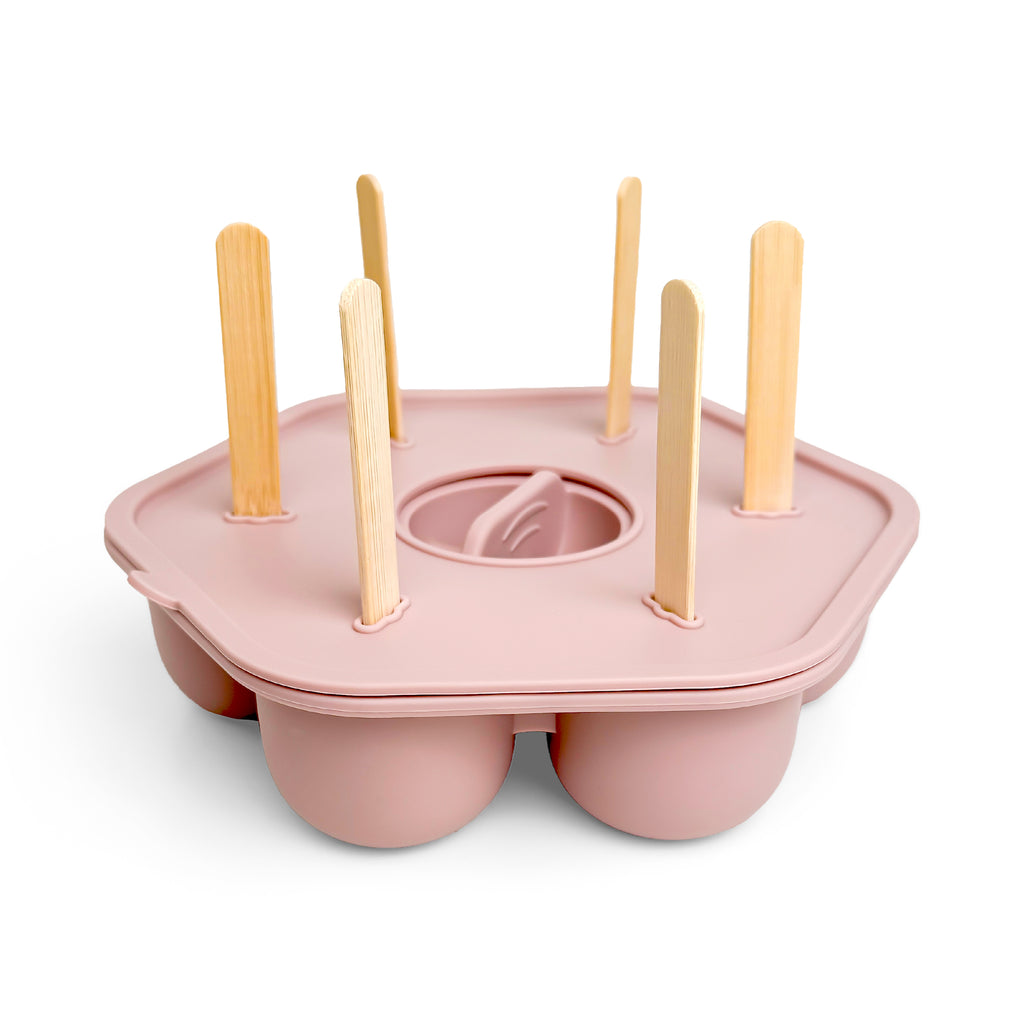
Freezing in small blocks (an ice-cube tray works beautifully) gives you ready-made baby-sized servings, so you are never tempted to over-offer simply because you have made too much.

When to check in with your child health nurse
Portion sizes are a guide, not a test, and there is rarely cause for concern in the early weeks of solids. That said, it is always worth a chat with your GP or child health nurse if your baby is consistently refusing all solids by around seven to eight months, is not gaining weight as expected, gags or coughs in a way that worries you, or shows any signs of an allergic reaction. Trust your instincts, you know your baby best.
For the full picture on getting started, including readiness signs and first foods, see our complete guide on when to start solids in Australia.
Frequently asked questions
How much solid food should a 6-month-old eat per day?
Start with just 1 to 2 teaspoons once a day and build up gradually. By the end of the first month or so of solids, many babies are taking 1 to 2 tablespoons once or twice a day. Remember that breastmilk or formula still provides most of their nutrition at this age.
Should I feed solids before or after a milk feed?
In the early days, offer solids after a milk feed or between feeds, when your baby is happy but not too hungry. This keeps milk as the main meal and means your baby is calm enough to explore something new without frustration. You can adjust the timing as solids become a bigger part of their day.
What if my baby eats almost nothing?
This is very common and usually nothing to worry about. The first weeks of solids are about practising the skill of eating, not about how much goes in. Keep offering without pressure, stay relaxed, and let your baby explore at their own pace. If refusal continues for several weeks or you have concerns, check in with your child health nurse.
Can I overfeed my baby solids?
Babies are good at regulating their appetite if we let them lead. Watch for fullness cues such as turning away or closing their mouth, and stop the meal when you see them. Avoid encouraging "one more bite" once your baby has signalled they are finished, as this can override their natural appetite signals.
How many times a day should a 6-month-old eat solids?
Begin with one solid meal a day, then build to two meals by around seven months and three by eight to nine months as your baby shows they are ready. There is no need to rush, follow your baby's appetite and interest rather than a strict schedule.
Do portion sizes change for baby-led weaning?
With baby-led weaning, you offer soft finger foods rather than spoonfuls, so portions are harder to measure, and that is fine. Offer a few pieces at a time and let your baby decide how much to eat. The same principle applies: milk remains the main source of nutrition, and the amount actually eaten will be small at first.
This article is general information for Australian families and is not a substitute for personalised advice from your GP, child health nurse, or a paediatric dietitian.


