

Starting Solids at 4 Months vs 6 Months: What the Evidence Says


Australian health authorities recommend introducing solid foods at around 6 months of age – not before 4 months – and when your baby shows clear signs of readiness. The NHMRC Infant Feeding Guidelines use the phrase ‘around six months’ deliberately, because a baby's development matters more than the exact date on the calendar. So while some babies are ready a little before 6 months, solids should never begin before 17 weeks (4 months).
If you are weighing up 4 months versus 6 months, you are asking exactly the right question – and you are not alone. It is one of the most searched feeding questions by Australian parents. Below we explain what the evidence shows, why the guidelines land on ‘around 6 months', and how to read your own baby's cues.
What the guidelines actually say
The NHMRC and the World Health Organization both recommend exclusive breast or formula feeding for around the first 6 months, with solids introduced at around 6 months alongside continued milk feeds. The key points are:
- Not before 4 months (17 weeks): a baby's digestive system and coordination are not ready earlier, and early solids are linked to higher risks of choking and tummy upsets.
- Around 6 months: most babies are developmentally ready, and their iron stores from birth begin to run low, so iron-rich solids become important.
- Not much beyond 6 months: delaying solids well past 6 months can make it harder to meet iron needs and may make babies more resistant to new textures.
For the full picture, our complete guide to when to start solids in Australia covers each milestone in detail.

Why not start at 4 months?
Four months can feel tempting, especially if your baby seems hungry, wakes more at night, or watches you eat. But these are not reliable signs of readiness. At 4 months, many babies still have the tongue-thrust reflex that pushes food out of the mouth, and they may not yet sit with support or have the head control needed to swallow safely.
Starting too early has trade-offs. Solids given before a baby is ready can displace nutrient-rich breast milk or formula, and the evidence does not support early solids as a fix for sleep or fussiness. In short, an earlier start rarely delivers the benefits parents hope for.
The 4 to 6 month window
Some babies do show genuine readiness between 4 and 6 months. If yours is close to 6 months, sitting well with support, and clearly reaching for food, it is reasonable to begin – ideally after a chat with your maternal and child health nurse. What matters is readiness, not rushing to a particular week.
Why 6 months is the sweet spot
By around 6 months, most babies can sit upright with support, hold their head steady, bring objects to their mouth, and have lost the tongue-thrust reflex. Just as importantly, the iron a baby is born with starts to deplete around this age, so first foods need to help fill the gap.
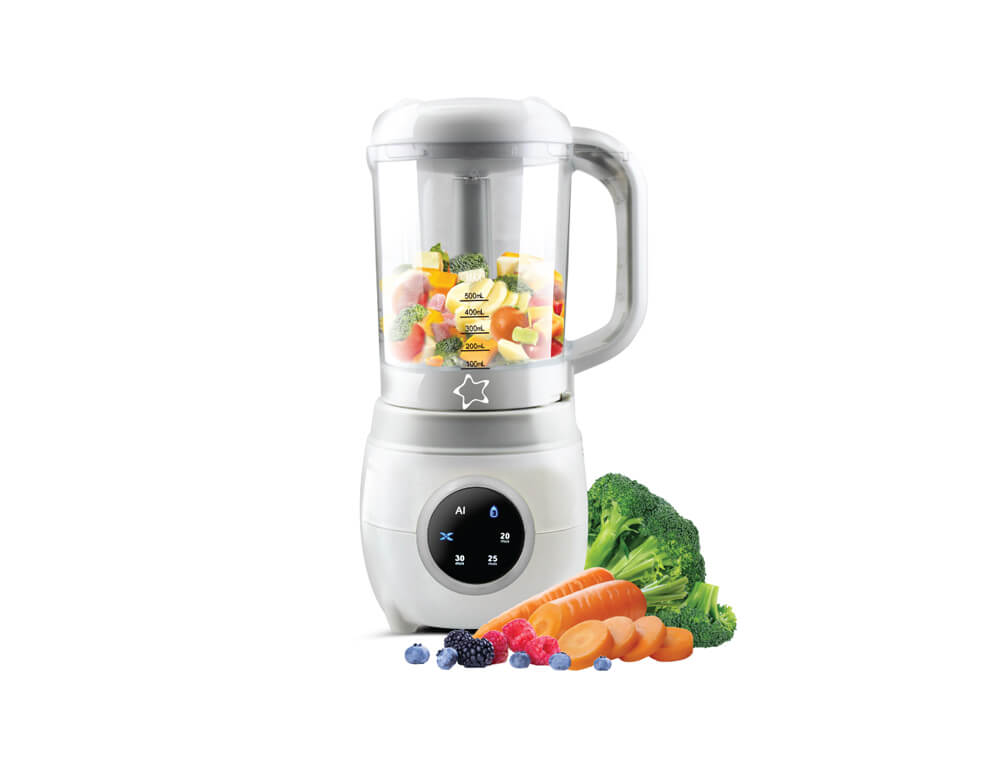
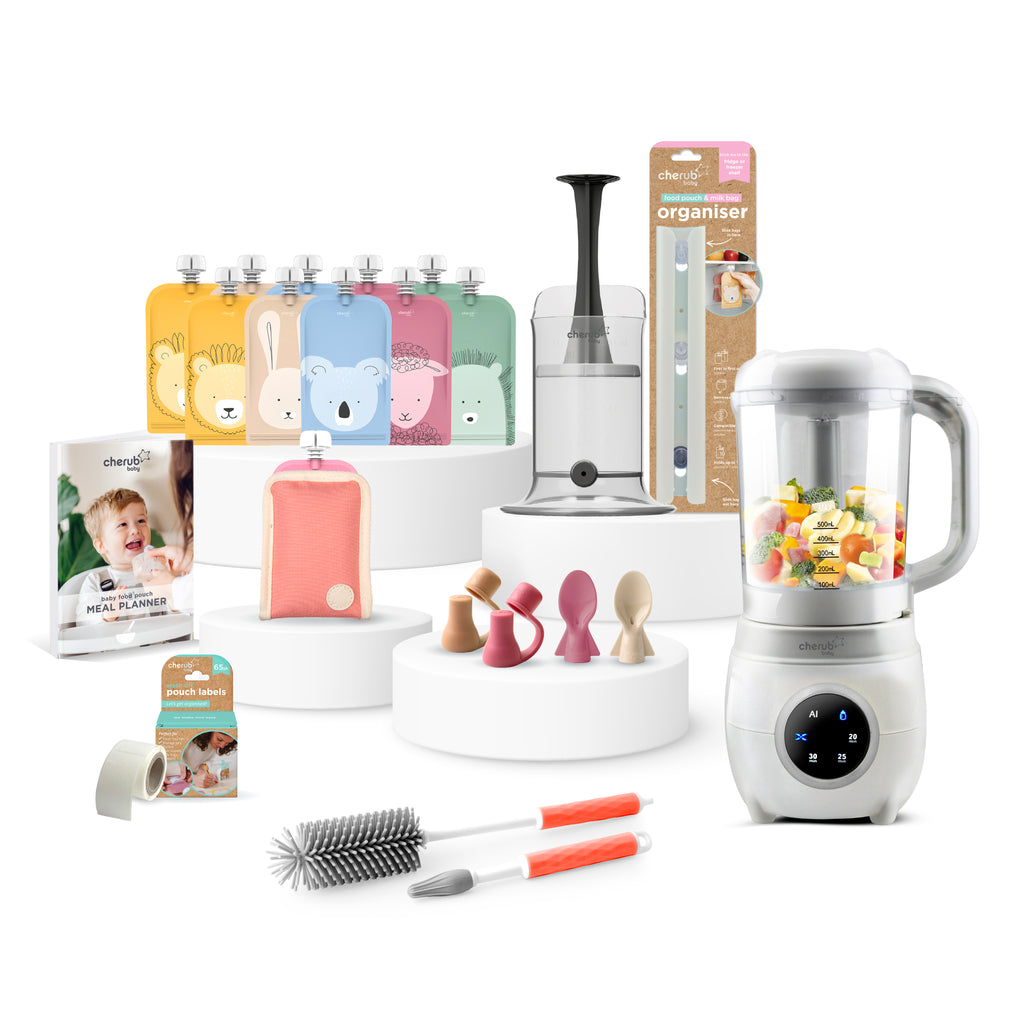
This is why iron-rich foods are a priority from the very start of solids. Our guide to iron-rich first foods for babies lists easy options like iron-fortified cereals, well-cooked meat, and legumes. A simple way to prepare smooth, iron-rich purees at home is with an all-in-one steamer and blender – browse our baby food makers to make batch cooking easy.
Does early solids help babies sleep?
It is a persistent myth that solids – or baby rice before bed – help babies sleep through the night. Research has not shown a reliable link, and night waking at this age is usually developmental rather than a hunger problem. Starting solids before your baby is ready will not buy you more sleep, and may add tummy upsets to your night.
What about allergies?
Current Australian advice has actually shifted towards not delaying common allergens. The Australasian Society of Clinical Immunology and Allergy (ASCIA) recommends introducing common allergy-causing foods – such as well-cooked egg and smooth peanut butter – in the first year of life, starting when your baby begins solids at around 6 months, and not before 4 months. Introducing allergens in this window may actually help reduce the risk of food allergy. Our step-by-step guide to introducing allergens explains how to do it safely.
Signs your baby is ready for solids
Rather than counting weeks, watch for these three readiness signs, which usually appear together around 6 months:
- Can sit upright and hold their head steady, with support if needed
- Shows interest in food – reaching, watching you eat, opening their mouth
- Can move food to the back of their mouth and swallow, rather than pushing it out
For a fuller checklist, see our guide to the signs baby is ready for solids. Once you begin, storing homemade portions in reusable food pouches makes it easy to feed at home or on the go.


Frequently asked questions
Can I start solids at 4 months?
Solids should not be started before 4 months (17 weeks). Some babies show readiness between 4 and 6 months, but most are not developmentally ready until around 6 months. If your baby seems ready before 6 months, speak with your maternal and child health nurse first.
Is it better to wait until 6 months?
Around 6 months is when most babies are developmentally ready and when their iron needs increase, so it is the recommended time to begin. Waiting well beyond 6 months is not advised, as it can make meeting iron needs and accepting textures harder.
What are the signs my baby is ready for solids?
The main signs are good head control and sitting with support, showing interest in food, and being able to move food to the back of the mouth and swallow rather than pushing it out. These usually appear together around 6 months.
Does starting solids early help babies sleep through the night?
No. Research has not found a reliable link between early solids and better sleep. Night waking at this age is usually developmental. Starting solids before your baby is ready will not improve sleep and may cause tummy upsets.
Does waiting until 6 months reduce the risk of allergies?
Delaying common allergens is no longer recommended. ASCIA advises introducing allergens such as well-cooked egg and smooth peanut butter in the first year, from when solids begin at around 6 months, which may help reduce allergy risk.
What should my baby's first foods be?
First foods should include iron-rich options such as iron-fortified infant cereal, well-cooked pureed meat, or legumes, alongside a variety of vegetables and fruits. Offer a range of textures and flavours as your baby progresses.
This article offers general information for Australian parents and is not a substitute for individual advice from your GP, midwife or maternal and child health nurse.


