

Steam Steriliser vs Boiling Water: Which Is Better for Sterilising Baby Bottles?


Both a steam steriliser and boiling water kill around 99.9% of germs on baby bottles, so for everyday sterilising, both are genuinely safe and effective. The real difference is convenience: boiling needs nothing but a pot but demands your attention, while a steam steriliser costs a little to buy but is faster, safer and far more hands-off. For most Australian families sterilising several times a day, that convenience is what tips the balance.
Here's an honest look at how the two methods compare, so you can pick the one that actually fits your kitchen and your day.
First, why sterilise at all?
A young baby's immune system is still developing, so milk residue left in bottles can grow bacteria that cause tummy upsets. Australia's Pregnancy, Birth & Baby service recommends washing and sterilising all bottle-feeding equipment until your baby is around 12 months old. Whichever method you choose, always wash bottles in hot soapy water first — sterilising only works on a clean bottle.
At a glance
| Steam steriliser | Boiling water | |
|---|---|---|
| Germs killed | ~99.9% | ~99.9% |
| Time | About 8–15 minutes, hands-off | 10+ minutes, plus watching the pot |
| Upfront cost | Cost of the unit (or microwave bags) | Free — you already own a pot |
| Effort | Load, press start, walk away | Must supervise the whole time |
| Safety | Insulated, no open boiling water | Open pot of boiling water = burn risk |
| Wear on bottles | Gentle on teats and plastics | Repeated boiling can degrade them faster |
| Stays sterile | Hours, if lid stays closed | Use soon after, air-dry separately |
| Best for | Daily use, multiple bottles, busy days | Occasional use, travel, backup |
Boiling water: the no-equipment method
Boiling is the original sterilising method and it still works. Fully submerge clean bottles, teats and rings in a large pot of water, bring it to a rolling boil, and boil for about five minutes (check nothing floats to the surface). It's ideal when you're travelling, staying somewhere without your usual gear, or only need to sterilise now and then.
The downsides
Boiling asks for your full attention — you need to stay with the pot, and if it drops to a gentle simmer it's less effective. There's an obvious burn risk with a pot of boiling water around a busy household, everything has to air-dry separately afterwards, and the repeated high heat can wear out teats and plastic bottles faster than gentler methods. Done several times a day for a year, it becomes a genuine chore.

Steam sterilising: the hands-off method
A steam steriliser — whether an electric unit, a microwave steriliser or microwave steam bags — uses hot steam in an enclosed space to do the same job with far less effort. You load it, press start (or pop it in the microwave) and walk away. Most cycles take roughly 8 to 15 minutes, the outside stays cool enough to handle, and contents stay sterile for hours if you keep it closed.
The trade-offs
You do have to buy the equipment, and electric units take up a little bench space. In hard-water areas you'll want to descale occasionally — our guide to cleaning a bottle steriliser covers that. For most parents, though, the time and safety it buys back easily outweigh the cost.
Steam without a bulky machine
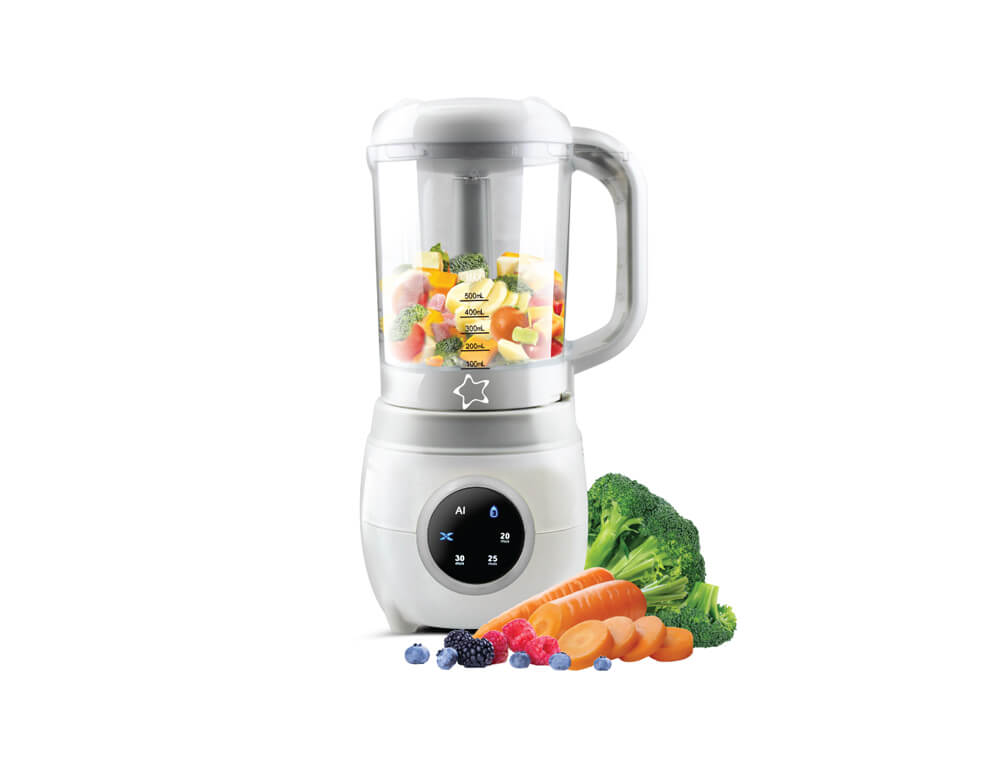
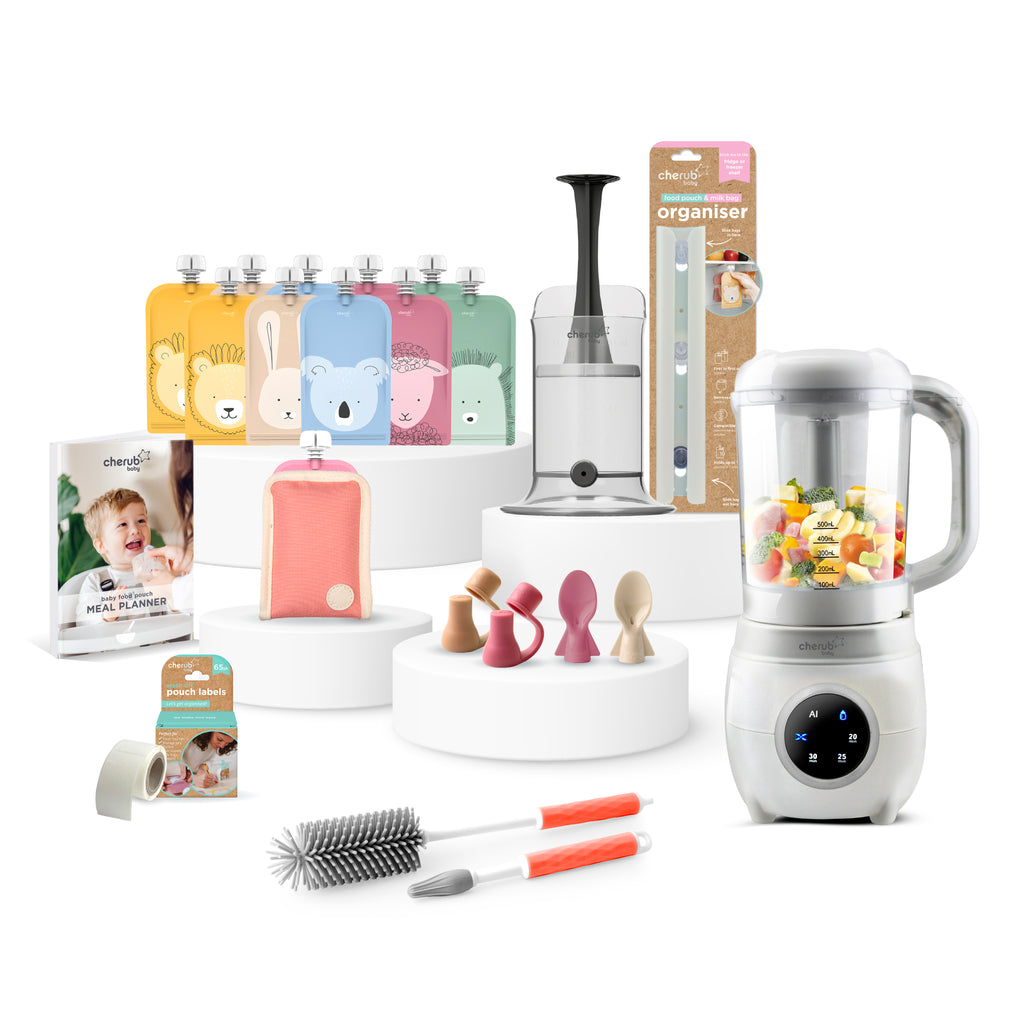
Cherub Baby's Automatic Baby Food Maker, Steriliser & Warmer steams, blends and sterilises in one machine. View Product →
Which is right for you?
Choose boiling water if you only bottle-feed occasionally, you're travelling light, or you want a reliable backup for the day the power's out. It costs nothing and works anywhere you can heat a pot.
Choose a steam steriliser if you're sterilising several times a day, you're short on time and hands, or you'd simply rather not hover over boiling water with a toddler underfoot. For everyday newborn life, steam is usually the easier, safer choice — and a microwave steriliser or steam bags give you that convenience without a big appliance.
Many parents use both: a steam steriliser at home and boiling as a travel backup. There's no wrong answer, because both get bottles genuinely clean — it comes down to your budget, how many bottles you're doing and what makes your day easier.
Frequently asked questions
Is boiling water as good as a steam steriliser?
For killing germs, yes — both remove around 99.9% of bacteria and viruses from a clean bottle. The difference is convenience and safety, not effectiveness. Boiling needs supervision; steam is hands-off.
How long do you boil baby bottles to sterilise them?
Submerge clean bottles and teats fully and boil for about five minutes, making sure nothing floats above the water. Let everything cool and air-dry on a clean surface before use.
Can boiling damage baby bottles?
Repeated boiling can shorten the life of teats and some plastics, making them cloudy or misshapen over time. Check bottles and teats regularly and replace any that look worn.
Do steam sterilisers kill all germs?
Steam sterilising removes around 99.9% of the germs that matter for bottle-feeding, provided the bottle is washed first and the steriliser is used as directed. It's considered a safe, effective method in Australia.
How long do bottles stay sterile after steaming?
If you leave the steriliser closed, bottles generally stay sterile for several hours. Once you open it or remove the bottles, use or reassemble them promptly and store any spares in a clean, covered container in the fridge.
Do I still need to wash bottles before sterilising?
Always. Sterilising doesn't remove milk residue, so wash bottles in hot soapy water with a bottle brush first, whichever method you use.
Related reading
- UV Steriliser vs Steam Steriliser: Which Is Better?
- Microwave Steriliser vs Steam Steriliser: Which Is Better?
- How to Clean a Bottle Steriliser Properly
- How to Sterilise Baby Bottles


